

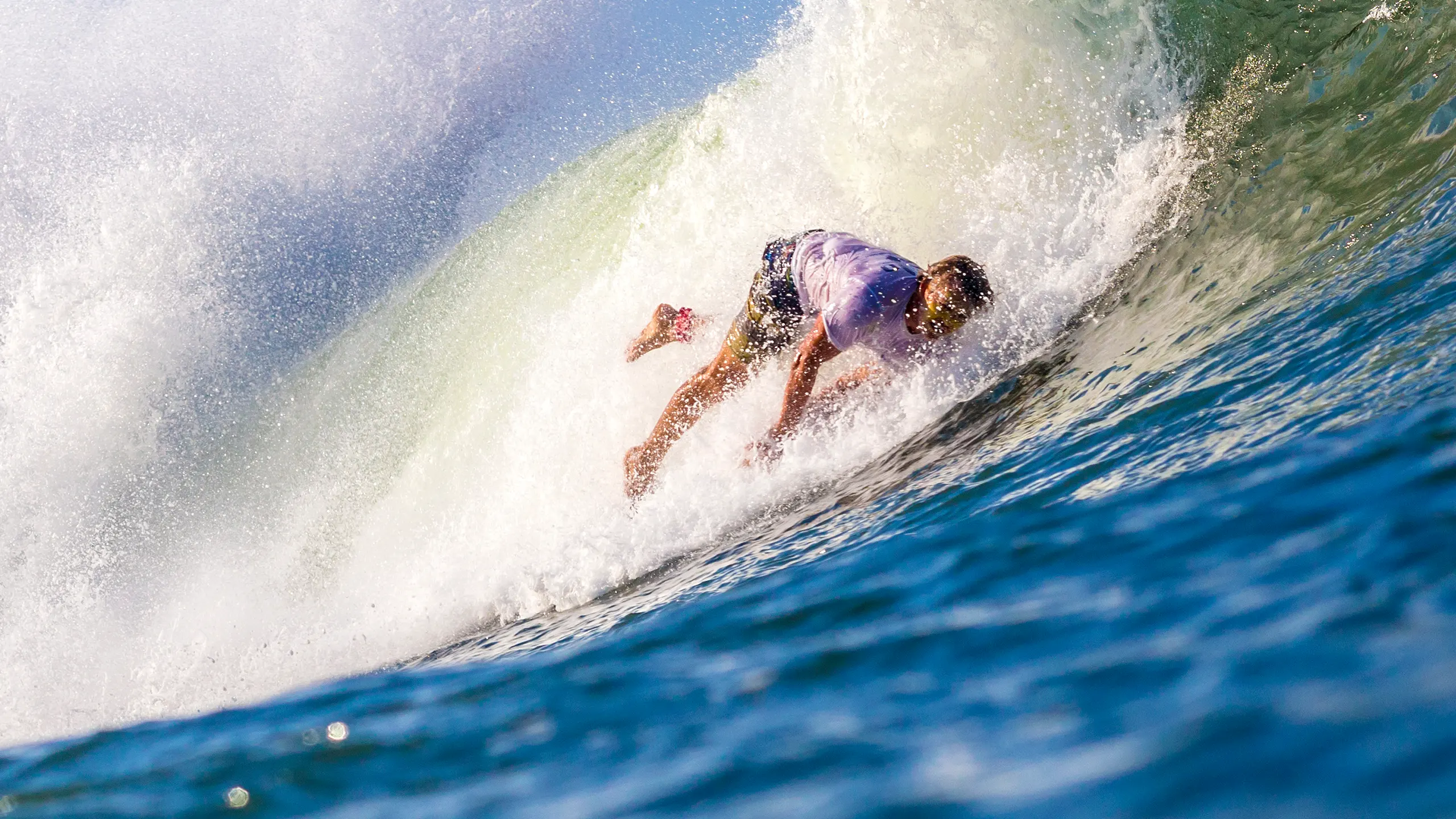
Why Experienced Surfers Seem to Hate Beginners
If you are new to surfing, it can feel like the lineup comes with an attitude problem. You paddle out excited, you try to stay out of the way, and still you catch looks that feel like you are doing something wrong. Sometimes you are. Sometimes you are not. Either way, the tension is real, and it usually has less to do with you personally than with how surfing works as a system.
Waves Are Scarce, Not Infinite
Surfing is not like skating, hiking, or swimming, where everyone can do their thing at the same time. Waves are finite. A set rolls through, a handful of waves are actually rideable, and every wave someone rides is a wave that nobody else gets. That scarcity creates a quiet kind of competition, even when nobody is trying to be competitive.
Why “wasting” a good wave feels personal
On a good day, people might wait a long time for a clean set wave. When a beginner takes one, blows the takeoff, and gets washed in, it is not just a wipeout. In the minds of everyone watching, it is a scarce resource being spent without much return. That is why the reaction can feel outsized compared with what actually happened.
Lineups Are Social Systems
Most surf spots develop a social rhythm. The same people show up. Everyone starts to recognize who is competent, who is unpredictable, who shares, who snakes, who panics, who charges. That familiarity lowers friction. You may not know anyone’s name, but you know how they behave, and they know how you behave. That creates an informal order that feels smoother than it looks from the beach.
Time invested turns into soft priority
Some surfers feel a sense of ownership over a spot because they have put in years there. They learned the rules there. They sat through bad days there. They built relationships there. In their mind, that investment earns them waves, or at least earns them less resistance when they go. When a new face enters the mix, it resets assumptions and adds unpredictability, which many people interpret as disrespect even when none is intended.
Beginners Create Uncertainty in a Place Where Uncertainty Is Dangerous
A big part of the resentment directed at beginners is not actually about skill. It is about predictability. Surfing already includes moving water, hard boards, sharp fins, and people crossing paths at speed. The only thing that makes a crowded lineup workable is that most surfers behave in readable ways. Beginners are not readable yet, and that makes others tense.
Safety anxiety often shows up as attitude
Dropped boards, panic paddling, taking off in front of someone, paddling back through the impact zone, drifting into the peak without realizing it. Most beginners are not trying to be reckless, but they also cannot see the chain reaction they are creating. Experienced surfers are thinking two or three moves ahead, and when someone behaves randomly, the whole lineup has to compensate. That is stressful, and stress looks like hostility.
The Biggest Mistake Is Sitting in the Wrong Zone
Most conflict happens when beginners drift into the set wave zone. That zone is not “better” because it is more fun. It is better because it is more valuable. Those waves are cleaner, larger, and less frequent, which makes them high demand. Beginners often end up there by accident because it looks like the action, and nobody tells you that sitting there is like walking onto a field in the middle of a game you do not understand yet.
This is where the “taking waves” feeling comes from
Even when a beginner does not intend to compete, being positioned for set waves means you are competing by default. If you catch one, you are taking a wave from someone who likely waited longer, positioned intentionally, and can ride it further. That difference in outcome is what people are reacting to, more than the fact that you are new.
Why Surf Schools Can Make It Worse
Most people do not get annoyed at beginners for existing. They get annoyed at situations that feel unfair or chaotic. Surf schools can unintentionally trigger both. When a group lesson drifts into a crowded peak, and students start getting pushed into waves, it can feel like a shortcut around the informal lineup order. People who waited for those waves feel like their patience just got traded for someone else’s schedule.
It is not only about the wave. It is about the system
A crowded lineup relies on everyone playing the same game. Surf schools introduce new players who do not know the rules yet, plus an instructor who can influence outcomes. Even when it is done safely, it changes the math of who gets what, and people do not like their math changing without consent.
So What Should Beginners Take From This?
The uncomfortable truth is that surfing is a social activity built around a scarce resource. That scarcity creates tension, and beginners are the easiest target for it. But the deeper truth is that most experienced surfers are not angry at new surfers for being new. They are reacting to unpredictability, safety risk, and the feeling that valuable waves are being taken out of the rotation.
If you understand that, the lineup starts to make more sense. You start to see why people sit where they sit, why patience is respected, and why awareness matters more than bravado. The fastest way to earn acceptance is not to act like you belong. It is to become predictable, safe, and considerate enough that other surfers do not have to think about you at all.